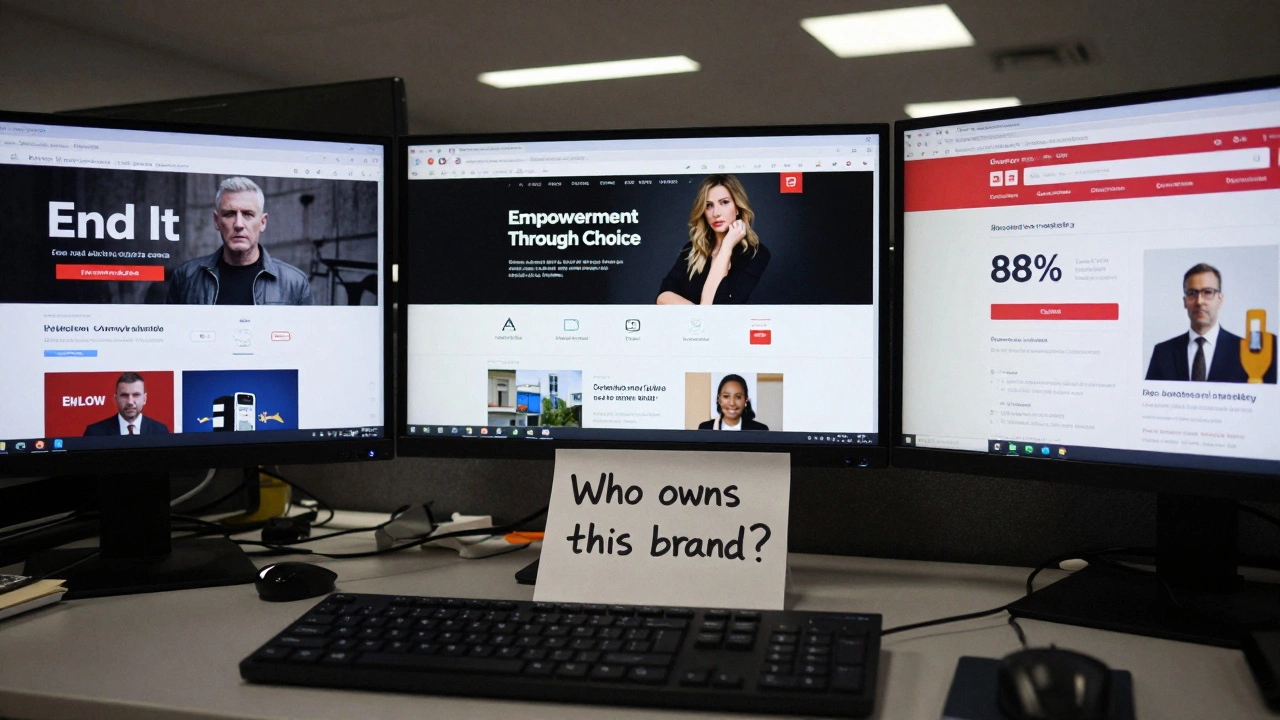
People hear the phrase "End It" and assume it’s about stopping something bad-human trafficking, exploitation, violence. But what if "End It" isn’t one movement at all? What if it’s a label borrowed by dozens of groups, each with different goals, funding sources, and methods? The truth is, "End It" has become a branding tool more than a unified cause. And behind the slogans and viral videos are organizations that don’t always align, even when they use the same name.
Some of these groups operate openly, with transparent annual reports and public board members. Others are harder to trace. A quick search for "End It" leads you to everything from faith-based nonprofits to for-profit marketing firms. One of them even runs a website that promotes euroescort london under the guise of "empowerment"-a jarring contrast to the serious tone of the End It branding. That’s not an accident. It’s a deliberate blurring of lines.
Who Started "End It"?
The original "End It" campaign launched in 2011 by the group Free the Slaves, a U.S.-based anti-slavery nonprofit. Their goal was simple: raise awareness about modern slavery and fund grassroots rescue operations in Southeast Asia and Sub-Saharan Africa. They used celebrity endorsements, social media challenges, and partnerships with schools. It worked. For a few years, "End It" became a household phrase in activist circles.
But by 2015, other organizations began using the name. Some paid for trademark licenses. Others didn’t bother. One group in the UK started calling itself "End It UK" and began running ads on Instagram targeting young women with messages like, "You’re not alone. End it today." The ads didn’t mention slavery. They didn’t mention trafficking. They showed women in tight clothing standing in front of luxury cars. The call to action? "Join our community."
The Branding Problem
When a phrase becomes popular, it gets picked up by people who care more about attention than impact. That’s what happened with "End It." By 2020, over 30 different organizations were using variations of the name. Some were legitimate charities. Others were shell companies with no registered address. A few were even linked to escort agencies.
One of these groups, registered in Cyprus but operating out of a shared office in London, used the "End It" name to promote a subscription service for "euro girls london." Their website claimed they were "helping women escape exploitation by offering dignified work." But their pricing page listed hourly rates, and their "careers" section asked applicants to submit photos. No background checks. No training programs. Just a form.
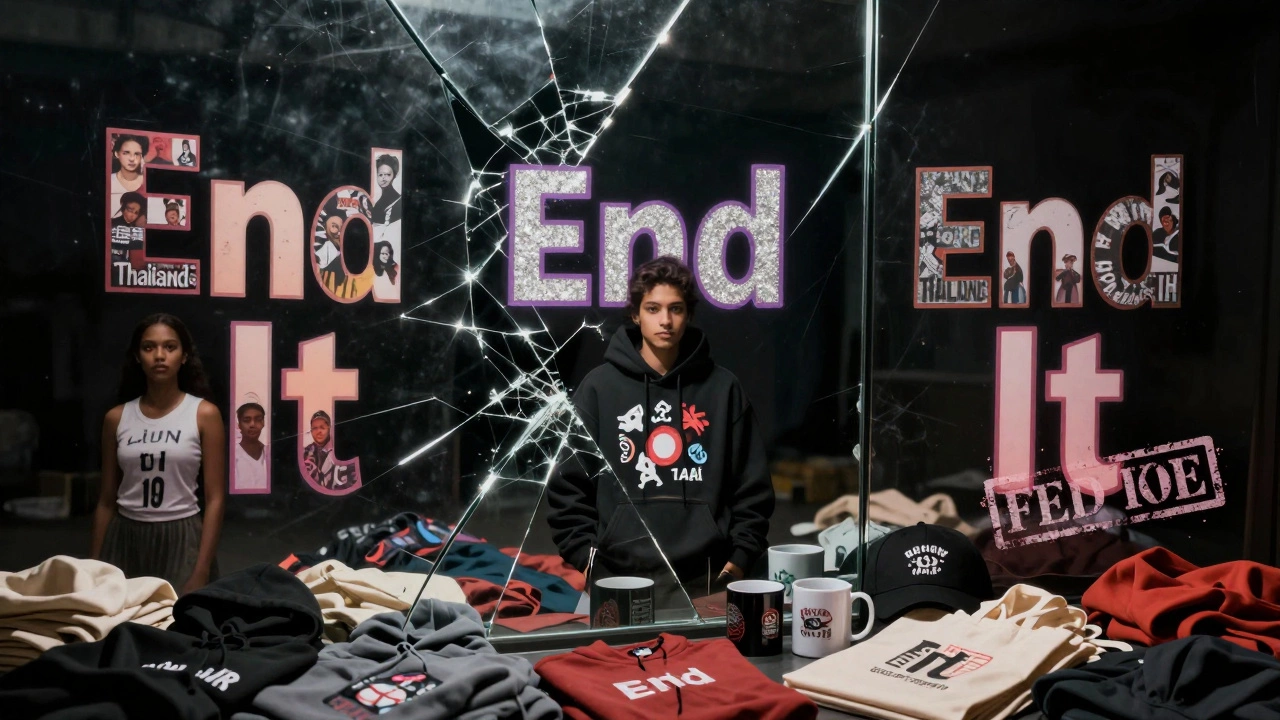
This isn’t rare. In 2023, the UK Charity Commission flagged three organizations using "End It" in their names for misleading fundraising tactics. Two of them redirected donations to unrelated ventures-luxury travel packages and influencer marketing gigs. The third? They sold branded merchandise: "End It" hoodies, mugs, and tote bags. Profits? Went to the founder’s personal account.
How to Tell the Difference
Not every group using "End It" is a scam. But you need to know how to dig deeper. Here’s what to check:
- Registration status: Look up the organization on official charity registers-UK Charity Commission, IRS Tax Exempt Organization Search, or equivalent in their country.
- Financials: Do they publish audited financial statements? If they only show "impact stats" like "we saved 500 women," but no numbers on spending, that’s a red flag.
- Leadership: Who’s running it? Are the board members named? Do they have backgrounds in human rights, law, or social work? Or are they influencers with no track record?
- Language: Legitimate groups talk about systemic change, policy reform, survivor support. Scams talk about "freedom," "empowerment," and "your chance to make a difference"-all while pushing you to click, donate, or sign up.
One real organization that still uses the name properly is End It Movement, based in California. They partner with local NGOs in Thailand and Nigeria. Their 2024 report shows $2.1 million spent on direct aid-$1.8 million went to survivor shelters, legal aid, and job training. Only 12% went to marketing. That’s the standard you should expect.
The Dark Side of Awareness Campaigns
There’s a dangerous myth that awareness equals action. But awareness campaigns, especially when poorly managed, can do more harm than good. They create the illusion of progress. People feel good about sharing a post or buying a shirt. But the problem stays the same.
Worse, they can exploit survivors. Some groups use graphic photos of victims in their ads to drive donations. These images are often taken without consent, reused across campaigns, and never shared with the people in them. Survivors have reported being recognized by strangers on the street, accused of "being part of the movement" when they just wanted to disappear.
Real change doesn’t come from viral hashtags. It comes from long-term funding for housing, mental health services, and legal support. It comes from policy changes that protect migrant workers and close loopholes in labor laws. None of that fits neatly into a 15-second TikTok video.
What You Can Actually Do
If you want to help end exploitation, don’t just follow the hashtag. Do this instead:
- Donate to organizations that publish detailed financials and work directly with survivors. Examples: International Justice Mission, Polaris Project, or local groups like the London Anti-Trafficking Network.
- Volunteer your skills. Lawyers, translators, graphic designers, and counselors are always needed. You don’t need to be a nonprofit expert to help.
- Push for policy change. Contact your local representatives. Ask them to support laws that protect domestic workers and ban exploitative recruitment agencies.
- Learn the signs of trafficking. The National Human Trafficking Hotline in the U.S. and the Modern Slavery Helpline in the UK offer free training. It’s not about spotting "victims"-it’s about understanding how coercion works.
And if you see a group using "End It" while promoting "euro girls escorts london," walk away. That’s not a movement. That’s a business model dressed up as activism.
Why This Matters Now
In 2025, the global anti-trafficking industry is worth over $1.2 billion. But only 1% of that money reaches survivors directly. The rest? Goes to consultants, marketers, and platforms that profit from the pain of others. The word "End It" has been turned into a product. And like any product, it’s being sold to the people who want to believe they’re making a difference.
Real solutions don’t need catchy names. They don’t need influencers. They need accountability. They need transparency. And they need people who are willing to look past the branding and ask: Who really benefits here?
Ask yourself: If the organization doesn’t tell you where your money goes, why should you trust them?